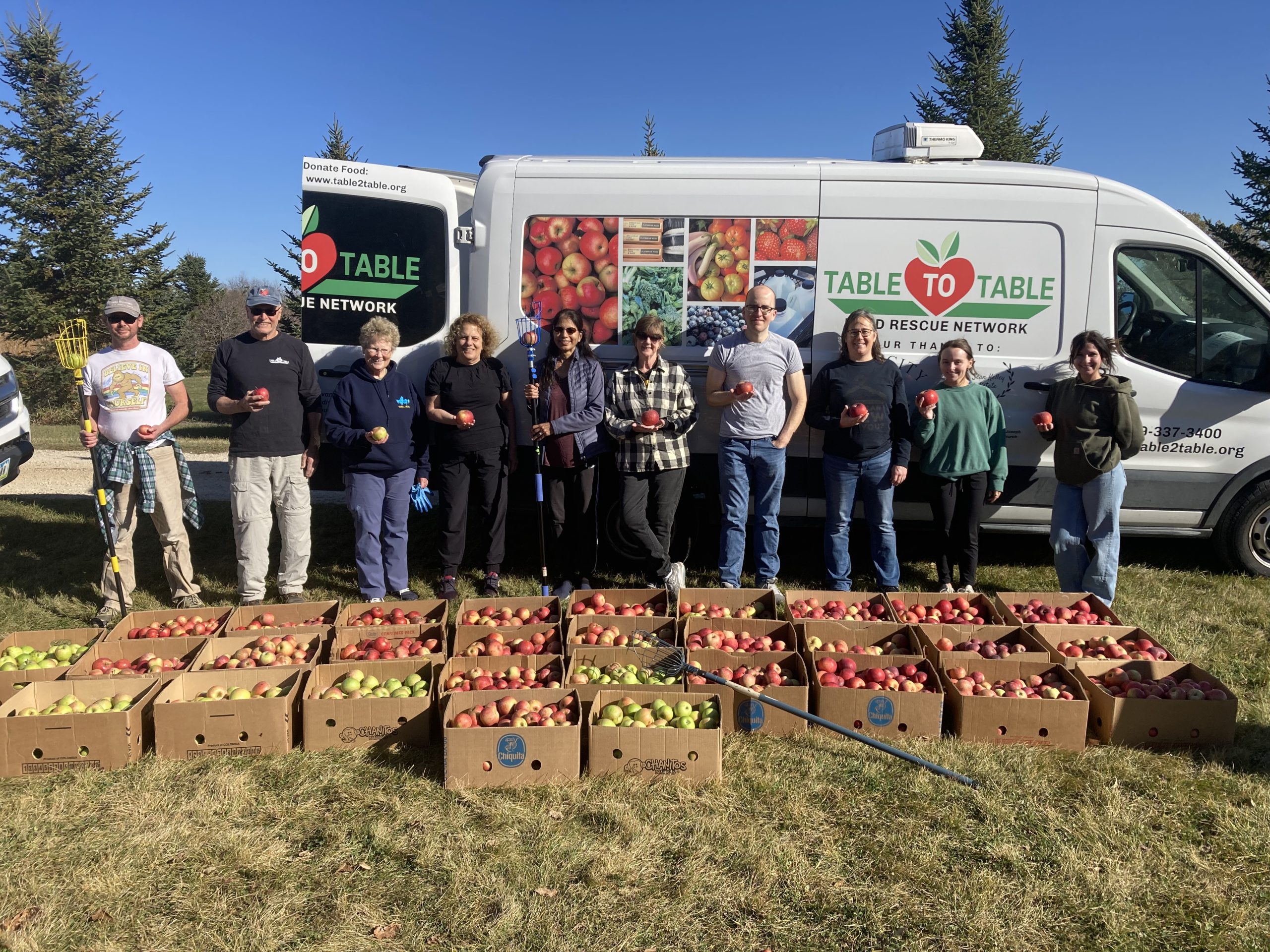
Good Problems, Harder Days: Inside Table to Table’s Work Right Now
On a chilly weekday morning at Table to Table’s warehouse, everyone pauses when three overstuffed donation carts roll through the door. No warning, no email, no scheduled drop-off – just a flood of canned goods and pantry staples collected by a local office that felt compelled to help. Staff glance at one another, laugh, and spring into motion.
It’s what they lovingly call a “good problem,” the kind of daily surprise that defines Iowa City’s food rescue network. And lately, good problems, and harder ones, have been arriving more often.
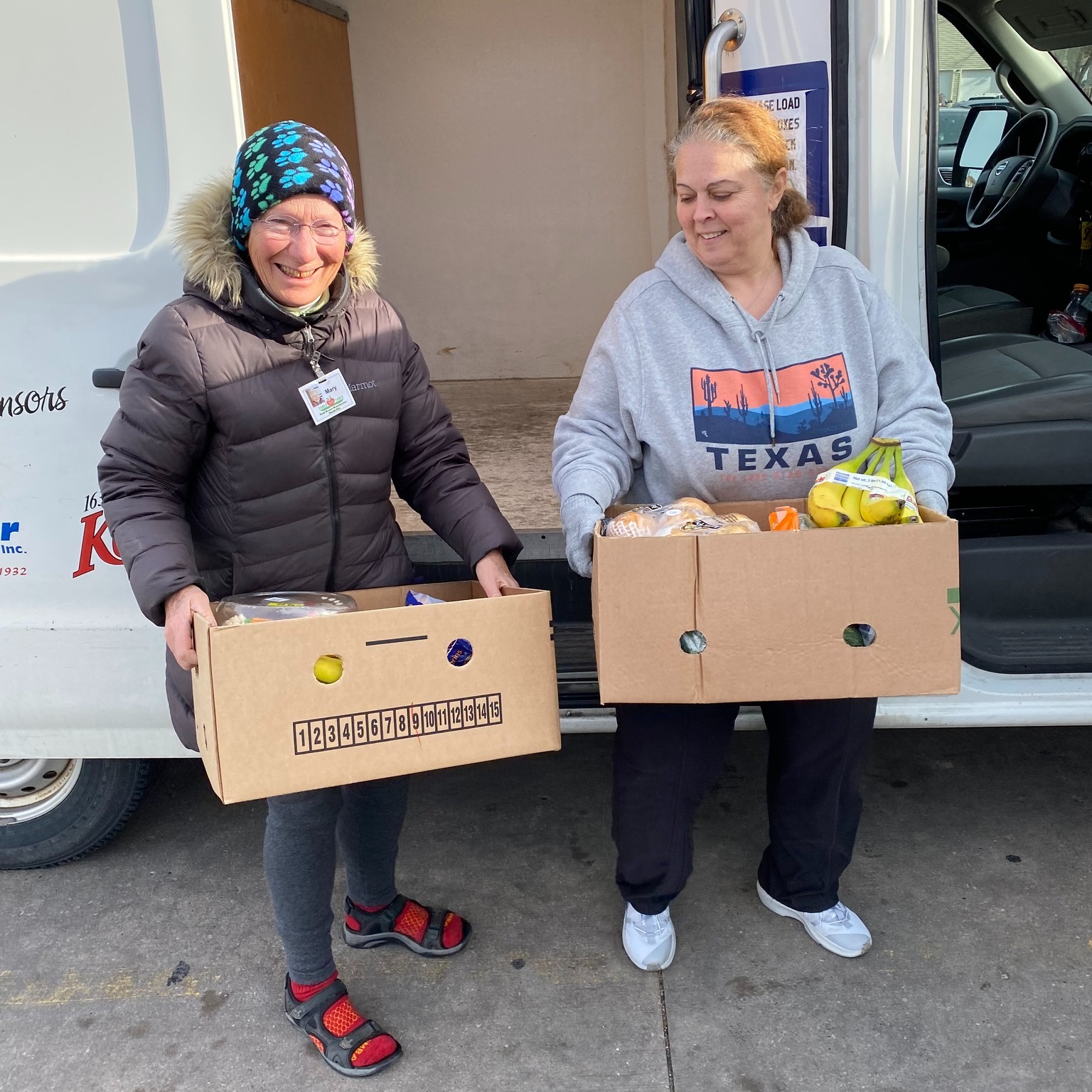
For nearly 30 years, Table to Table has connected surplus food from grocery stores, restaurants, farms and distributors to more than 45 food access partners across Johnson County. But as the cost of living rises and federal assistance programs face cuts, that mission has taken on added weight. Need is increasing. Donations fluctuate. And the volunteers who power the entire operation are showing up in record numbers.
One of the team members at the center of the daily shuffle is Operations Manager Elizabeth Wagner, who jokes that her job changes every 10 minutes.
“You learn to adapt to anything here,” Wagner said. “One day you’re coordinating 25 volunteers, the next you’re arranging a trucking donation we only heard about an hour ago.”
Wagner oversees everything from the warehouse floor to the vehicle fleet, from grant support to advocacy work. She also administers FoodForce, the software system built on the Salesforce platform that tracks every pound of food rescued and where it goes, all the volunteer activity, as well as financial donations.
Table to Table now rescues roughly 2.6 million pounds of food each year – nearly 40 million pounds since its founding in 1996. But demand on the receiving end is growing even faster.
“Our food access network serves an average of 11,000 neighbors a month,” Wagner said. “32,000 people annually. That’s about one in five Johnson County residents. A few years ago, it was one in seven. The need is increasing across the board.”
Staff point to rising grocery prices, housing costs and cuts to safety-net programs like the Supplemental Nutrition Assistance Program, commonly known as SNAP. When Iowa’s SNAP emergency allotments through pandemic funding ended in 2022, the ripple effect was immediate. Then, more recently in November, SNAP beneficiaries experienced a three week delay in receiving grocery funds. Dispatcher and Local Foods Recovery Coordinator Ryan Mohwinkle said one of the most noticeable shifts wasn’t just the increase in need – it was how quickly the community responded.
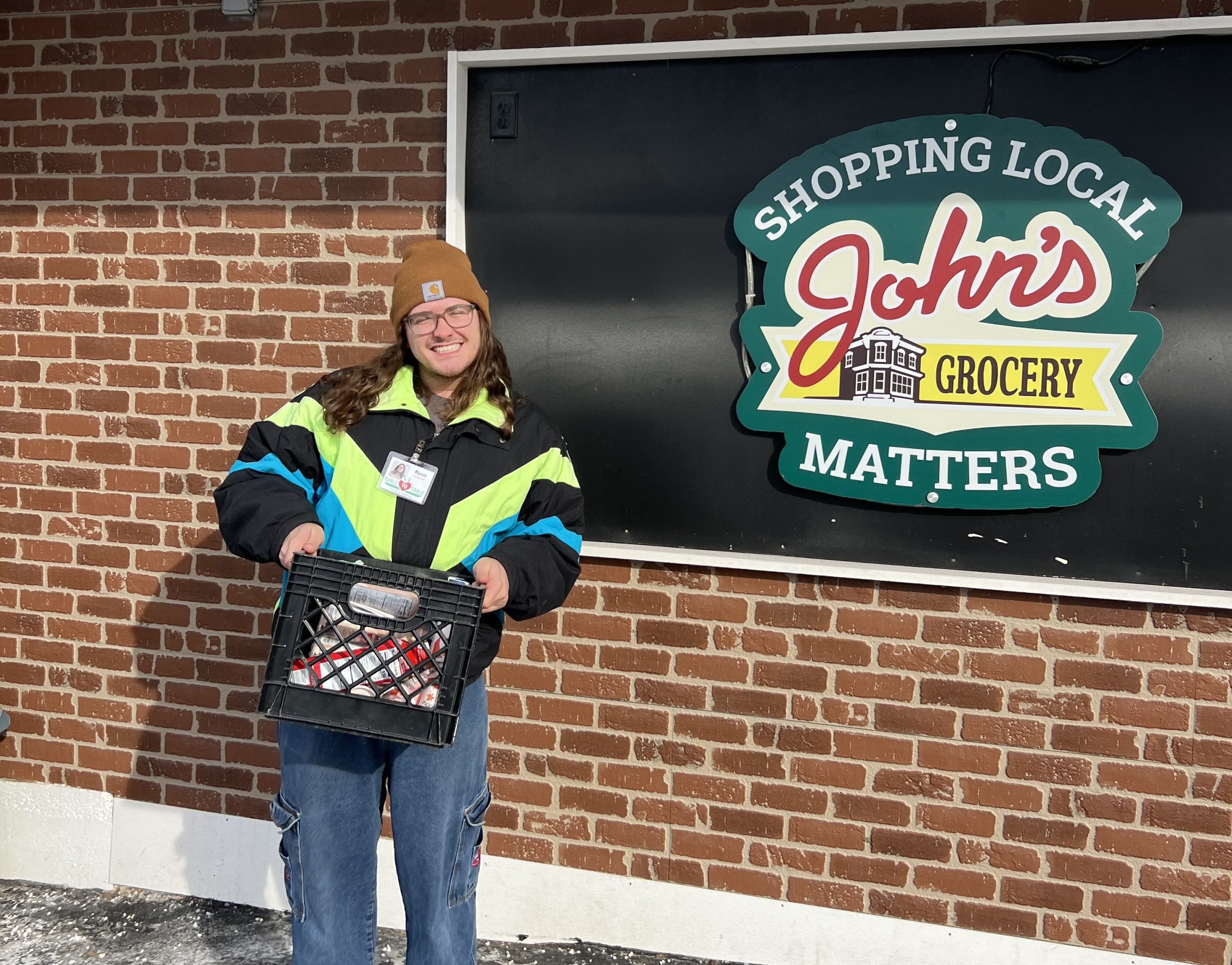
“One of the most immediate changes I noticed was the community response to the crisis,” Mohwinkle said. “We saw a significant increase in walk-in and monetary donations from community members who wanted to help however they could. I also fielded numerous calls from people asking how they could best help. The Johnson County community really stepped up to try and help meet the need.”
That response shows up not only in donations, but in the growing number of volunteers willing to step in.
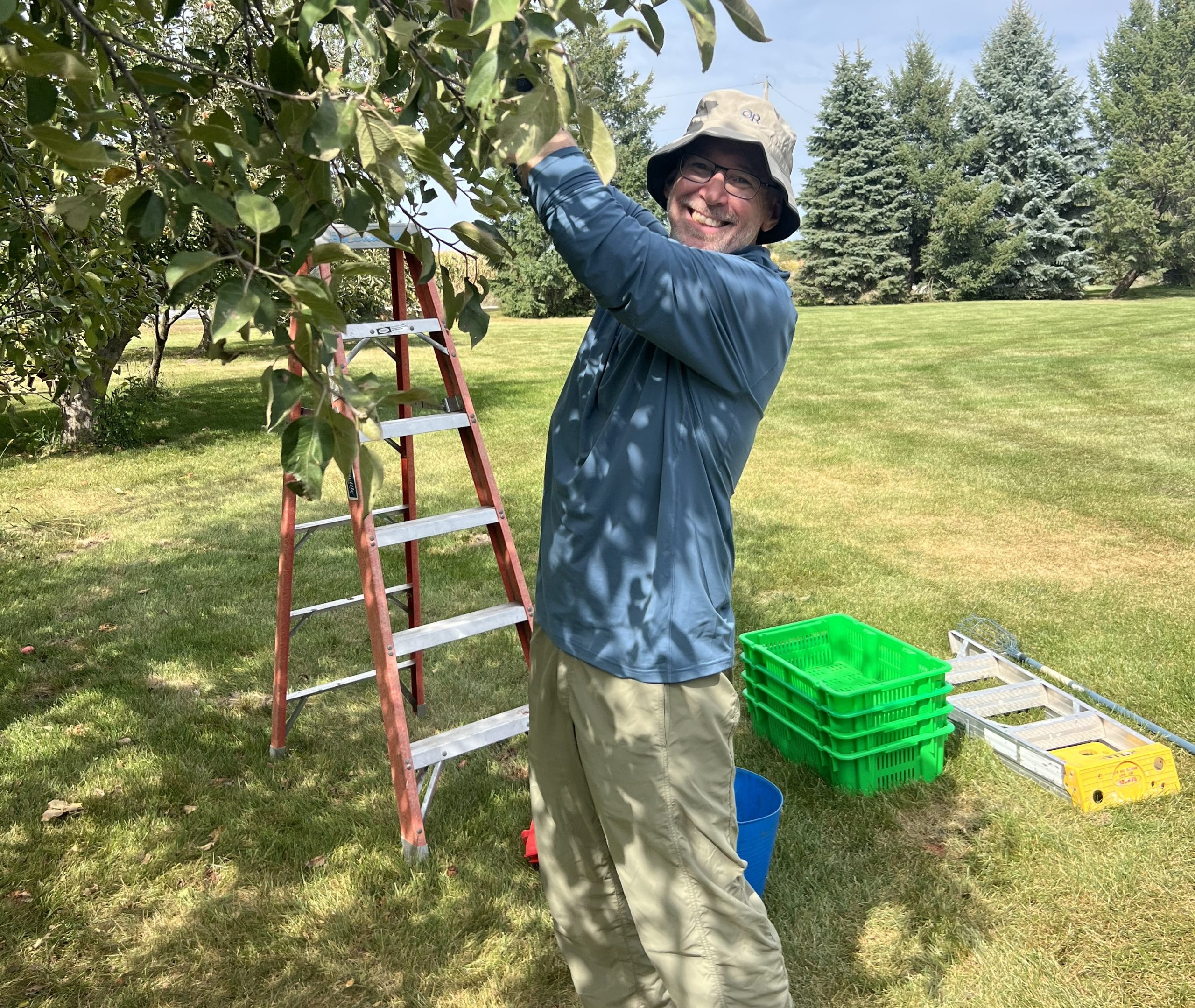
Volunteer Program Manager Jared Long coordinates weekly food rescue routes, scheduling different vans to travel to partner locations where staff and volunteers collect surplus food and deliver it to local pantries and nonprofit organizations. As frustration over federal policy changes mounted earlier this year, volunteer interest surged.
“Usually I can put people on a route the next day,” Long said. “This fall, I was booking people three weeks out.”
The increase marks a dramatic shift for an organization that once struggled to staff weekend routes. Now, Long balances training, scheduling and overflow interest – challenges he describes as welcome ones.
“Great problems to have,” he said.
For longtime volunteers, the impact of Table to Table’s work is most visible at the delivery stops.
“For me, the most rewarding part is the delivery to the recipients,” said Marnie Saeugling, who has volunteered with the organization for nearly six years. “You build relationships with the people who are receiving it, so you know what they need and what doesn’t work for their organization. We pack accordingly, and you get to see it being put to good use.”
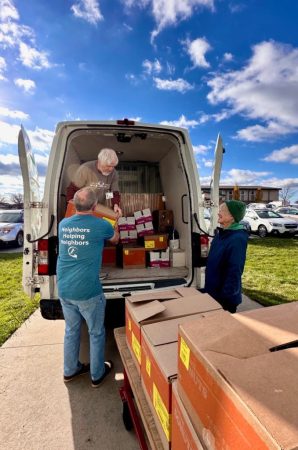
That relationship-building turns food rescue into something deeply personal.
“You see the amount of food you get from places like Trader Joe’s,” said Greg Clancy, who has volunteered for about a decade. “To know that it would have gone into the landfill if you weren’t doing this – you feel like you’re doing something worthwhile.” Trader Joe’s is unique in the way it prioritizes food donation and is one of Table to Table’s top three food donors.
Volunteers say food insecurity is broader than many people realize.
“You just don’t know the depth or the breadth of food insecurity,” Clancy said. “It’s from all walks of life. It’s growing, and it’s not getting any better. So we’re just trying to do what little we can to relieve an overwhelming situation.”
The work itself requires more than goodwill. Packing routes, organizing trucks and navigating deliveries takes coordination and skill.
“It takes a different set of skills to learn how to do this work,” Saeugling said. “There’s a fair amount of logistics – packing the boxes just right, organizing the truck, learning how to move through the community.”
That structure is part of what keeps volunteers coming back.
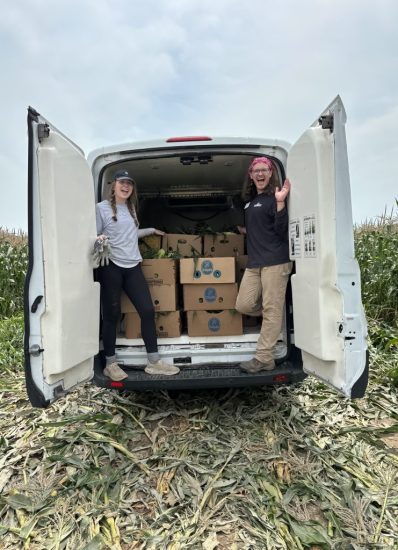
“One of the things that’s attractive about this volunteer job is that you have a job to do,” said Marcia Musgrove, who began volunteering shortly before the pandemic. “You know you’re needed. If you don’t do it, that’s a problem. You really feel like you have a purpose.”
Volunteers have also noticed changes in recent months, not only in need, but in how the community has responded.
“What I’ve seen most is the response from the Iowa City community,” Clancy said. “There are more cars just bringing bags of food or things from their gardens. It does seem a lot fuller than usual.”
They credit Table to Table’s leadership and evolving systems – from improved volunteer training to more efficient routing – for keeping up.
“Table to Table has really evolved over time to meet the needs with more efficiency and more dedication,” Musgrove said.
Back at the warehouse, that adaptability plays out every morning. Route sheets are checked. Vans are loaded. Plans shift as donations arrive.
It’s slightly chaotic, deeply collaborative and quietly powerful.
Whether it’s a surprise truckload, a volunteer adapting mid-route or a community member walking in with a few bags of food, the mission stays the same: rescue good food, get it to people who need it and keep the community fed.
Written by Greta Schaub, University of Iowa Journalism student